Energy Transition in Africa: Access, Reliability, and the Role of Gas
Sample Content: This article demonstrates the quality and structure of AEAG thought leadership. It will be replaced with original research.
The energy transition in Africa operates within a fundamentally different context than in developed economies. Where the transition in Europe or North America centers on decarbonizing existing energy systems, Africa's primary energy challenge remains access and reliability. Hundreds of millions of people across the continent lack reliable electricity, and industrial development is constrained by energy infrastructure gaps.
In this context, natural gas plays a critical role as a transition fuel. Gas-to-power projects can provide the baseload generation needed to stabilize grids, support industrial growth, and reduce reliance on more carbon-intensive alternatives like diesel generation. Nigeria's position — with large gas reserves, growing domestic demand, and established LNG export infrastructure — makes it a central player in the African energy transition narrative.
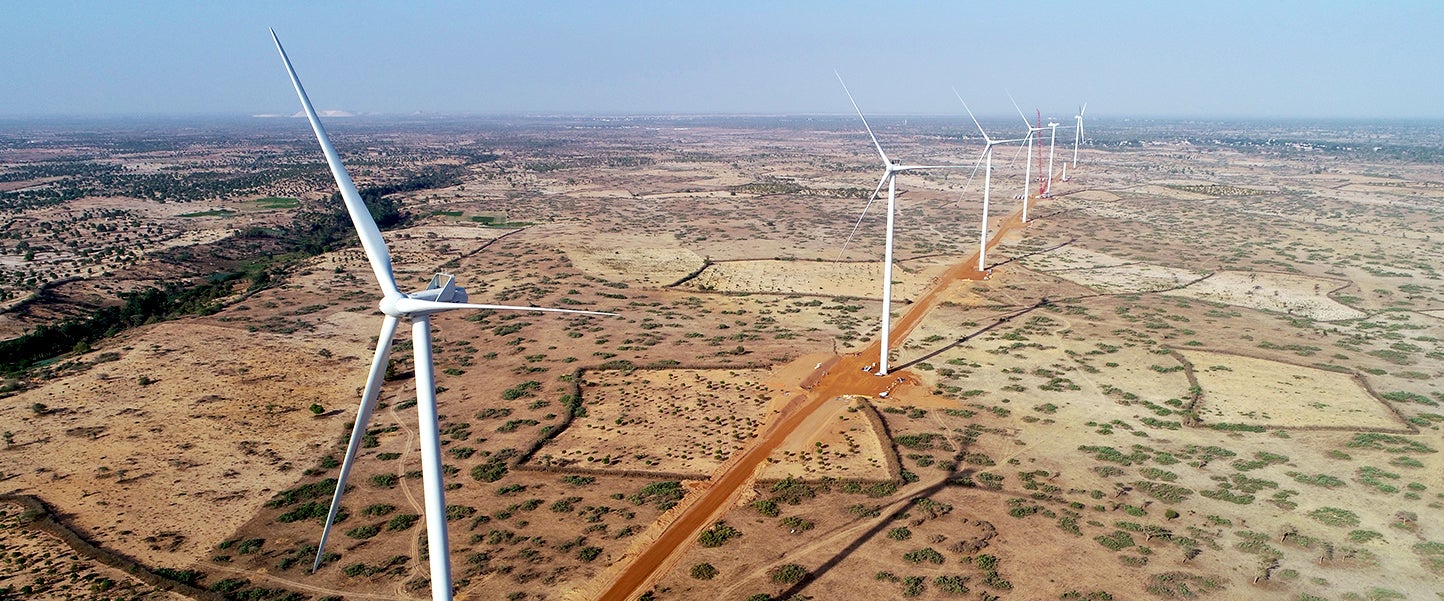
Renewable energy deployment is also accelerating. Solar mini-grids, distributed generation, and utility-scale renewable projects are expanding across the continent, supported by declining technology costs and growing investor interest. However, the scale of investment needed to achieve universal energy access remains substantial.
For investors, the most credible transition investments in Africa are those that solve immediate commercial problems while also reducing emissions. Examples include replacing diesel generation with gas or solar-hybrid systems, deploying mini-grids for commercial and industrial clusters, converting flared gas into usable energy, and supporting emissions monitoring and carbon market infrastructure.
Nigeria's Energy Transition Plan targets universal energy access by 2030 and net zero by 2060. These targets create a policy framework for investment in grid supplements, off-grid power, and lower-emission fuel alternatives. The financing gap, however, remains significant — and closing it will require sustained engagement from international capital markets, development finance institutions, and private investors.
This content is for informational purposes only and does not constitute investment advice.