Institutional Research
Nigeria Energy Outlook
An evidence-based overview of Nigeria's energy sector, covering production fundamentals, infrastructure development, regulatory evolution, and investment themes.
Oil Production & Reserves
Nigeria remained a major crude oil producer in Africa, with production topping 1.8 million barrels per day in mid-2025. The Nigerian Upstream Petroleum Regulatory Commission declared petroleum reserves at 37.01 billion barrels of crude oil and condensate, and 215.19 trillion cubic feet of natural gas as at January 2026. For investors, the resource base is substantial — but monetization remains the central challenge, influenced by pipeline integrity, security, maintenance cycles, and capital allocation decisions.
Natural Gas & LNG Expansion
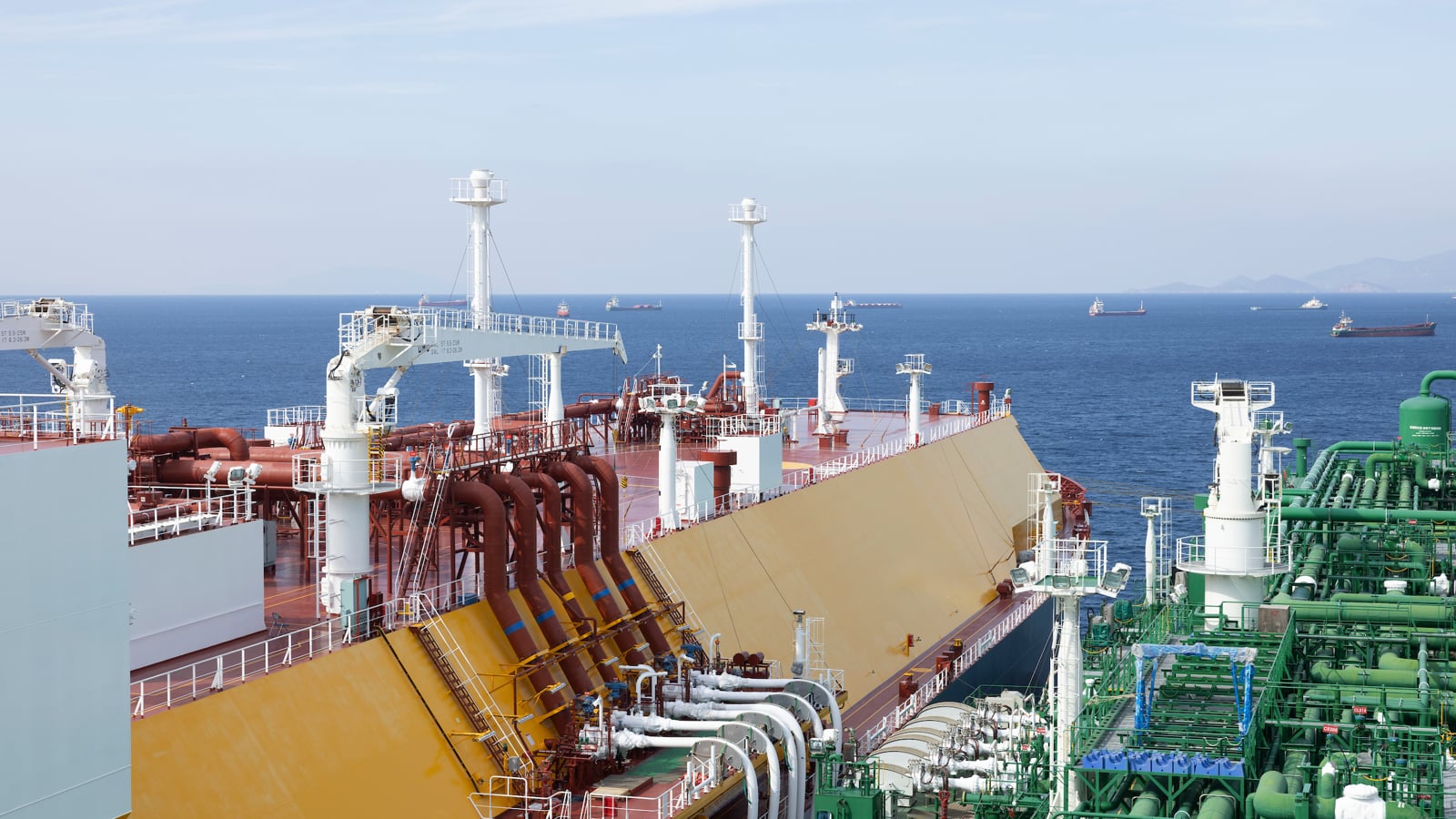
Nigeria's gas position is strategically important. The NLNG Bonny Island complex remains the country's principal LNG export platform, with the Train 7 expansion project designed to increase capacity from 22 million tonnes per annum to 30 million tonnes. Floating LNG projects, including NNPC's collaboration with Golar LNG and UTM Offshore's indigenous FLNG facility, are expanding monetization options for offshore and stranded gas. The investment landscape is moving from a single export hub toward a portfolio of export and monetization models.
IOC Divestments & Indigenous Growth
Nigeria's upstream sector is undergoing structural change. Major international oil companies have divested or are divesting onshore and shallow-water assets, with indigenous operators expanding their operating footprint. Shell's sale of its SPDC stake to Renaissance Africa Energy marked a significant shift in onshore ownership. This restructuring creates acquisition, financing, and farm-in opportunities while increasing the importance of transition diligence, including environmental liabilities and host community obligations.
Power Infrastructure & Gas-to-Power
Nigeria's power grid remains structurally constrained, with average available generation capacity of approximately 5,400 MW against much larger installed capacity. The Ajaokuta-Kaduna-Kano and Obiafu-Obrikom-Oben pipelines represent core national infrastructure to move gas from producing basins to demand centers. Gas-to-power remains one of the clearest areas where upstream gas supply, midstream infrastructure, and power market reform intersect — offering investment opportunities across the value chain.
Energy Transition Opportunities
Nigeria's energy transition is not a departure from hydrocarbons but a recalibration of how hydrocarbons and lower-carbon solutions coexist. Opportunities include gas monetization, flare reduction, domestic gas processing, CNG and LPG infrastructure, distributed solar, mini-grids, and carbon-related projects. Nigeria's Energy Transition Plan targets universal energy access by 2030 and net zero by 2060, creating a policy framework for investments in grid supplements, off-grid power, and lower-emission fuel alternatives.
Regulatory & Investment Climate
The Petroleum Industry Act 2021 governs upstream petroleum and created the current NUPRC-led regulatory structure. The Electricity Act 2023 provides oversight of the grid market while the Climate Change Act 2021 supports Nigeria's transition agenda. The regulatory picture is open but conditional: capital can enter, but investors must consider local-content requirements, environmental liabilities, foreign exchange constraints, tariff recovery risk, and host-community obligations. Compliance demands are rising, which is positive for market structure.
This overview is provided for informational purposes only and does not constitute investment advice. AEAG does not guarantee investment outcomes. All investment decisions should be made with appropriate professional counsel.